Let's be blunt: healthcare costs can feel like a runaway train, threatening to derail even the most carefully planned financial futures. But what if you had a secret weapon—a financial Swiss Army knife—that could not only cut those costs but also grow into a substantial retirement nest egg? That's precisely what a Health Savings Account (HSA) offers. Mastering the Strategies for Maximizing Your HSA Benefits and Value isn't just about saving money today; it's about building a tax-advantaged fortress for your health and wealth for decades to come.
This guide isn't about dry definitions; it's about empowerment. We'll explore how to unlock the full potential of your HSA, transforming it from a simple savings account into one of the most powerful wealth-building tools at your disposal.
At a Glance: Your HSA Superpowers
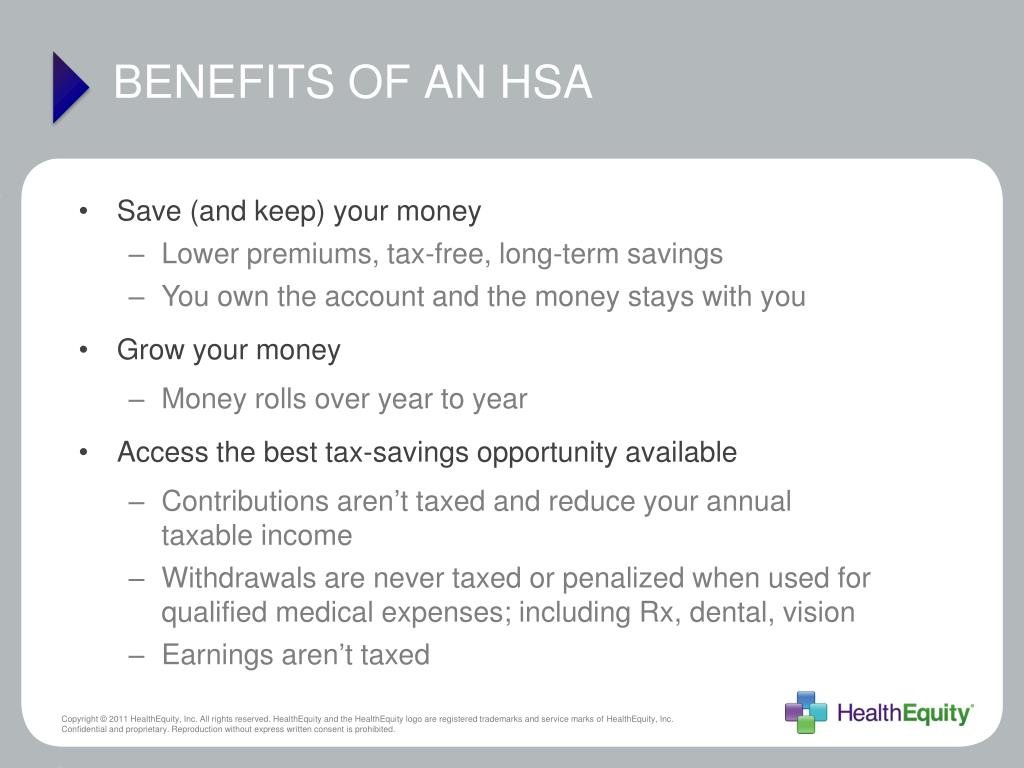
- Triple Tax Advantage: Enjoy tax-deductible contributions, tax-free growth, and tax-free withdrawals for qualified medical expenses.
- Maximum Contributions: Hit the annual limits, including catch-up contributions for those 55+, to supercharge your savings.
- Invest for Growth: Once you've got a cushion, invest your HSA funds in the market to unlock tax-free compounding.
- Delay Reimbursement: Pay out-of-pocket for medical costs and let your HSA investments grow, reimbursing yourself years later, tax-free.
- Strictly Qualified Expenses: Keep all withdrawals for legitimate medical costs to avoid penalties and taxes.
- One-Time IRA Boost: Leverage a penalty-free transfer from an IRA to jumpstart your HSA balance.
- Negotiate and Save: Use your HSA as a tool to negotiate lower medical bills, stretching your dollars further.
- Retirement Readiness: Think of your HSA as a backup 401(k) or IRA specifically for future healthcare costs, a critical piece of your long-term financial security.
Your Health Savings Account: A Financial Game-Changer
Before diving into the tactics, let's quickly clarify what makes an HSA unique. A Health Savings Account is a specialized investment vehicle available to individuals enrolled in an HSA-qualified health plan – typically a High Deductible Health Insurance Plan (HDHP) or a Health Sharing Plan with minimum essential coverage. This pairing is crucial; you can't have an HSA without the right health insurance.
What makes an HSA truly shine is its "triple tax advantage":
- Tax-deductible contributions: Money goes in pre-tax, reducing your taxable income.
- Tax-free growth: Your investments grow year after year without incurring capital gains taxes.
- Tax-free withdrawals: When used for qualified medical expenses, your withdrawals are 100% tax-free.
No other account offers this trifecta. It's a powerful shield against rising medical bills and a potent engine for wealth accumulation. But simply having an HSA isn't enough; you need to employ strategic moves to unlock its full potential. To truly understand if this vehicle aligns with your financial path, it's worth exploring Understanding if an HSA is worth it for your personal situation.
The Pillars of HSA Maximization: Strategies for Growth
Now, let's dive into the core strategies that will turn your HSA into a financial powerhouse.
Supercharge Your Savings: Maximizing Contributions
The first, and perhaps most fundamental, strategy is to contribute the maximum allowed amount to your HSA each year. Think of it as planting the most seeds possible in fertile ground. The more you put in, the more tax-advantaged growth you'll experience over time.
Annual contribution limits are set by the IRS and typically increase slightly each year to account for inflation. For instance, in 2025, you can contribute up to $4,300 for an individual and $8,550 for families. These limits tick up again in 2026 to $4,400 for individuals and $8,750 for families.
Don't forget the catch-up contribution: If you're age 55 or older, you're allowed an additional "catch-up" contribution of $1,000 per year. This is a significant boost designed to help you prepare for increased healthcare costs as you approach retirement. If both spouses are 55 or older and have separate HSAs, each can make this catch-up contribution to their respective accounts.
Treat your HSA contributions like any other essential bill or retirement savings—automate them through payroll deductions if your employer offers it. This "set it and forget it" approach ensures consistency and helps you hit those annual limits without much effort.
Unleash Compound Interest: Investing Your HSA Funds
Many people mistakenly treat their HSA like a checking account for current medical bills. While it can serve that purpose, its true power lies in its investment potential. Once your HSA balance reaches a certain threshold (often around $2,000 to $2,500, though this varies by custodian), you typically have the option to invest the excess funds in mutual funds, ETFs, or other investment vehicles.
This is where the "tax-free growth" leg of the triple tax advantage really shines. Imagine your investments growing, compounding year after year, completely shielded from capital gains taxes. When you eventually withdraw those funds for qualified medical expenses, all those gains are also tax-free. It's an unparalleled growth environment.
Pro-Tip: Consolidate Your HSAs. If you've had multiple employers or opened HSAs with different providers, you might have several small accounts. Consolidating these into one HSA, ideally with a custodian that offers a robust investment platform and low fees, can help you reach the minimum investment threshold faster and simplify management. Look for providers with a wide range of investment options and transparent fee structures.
The Ultimate Growth Hack: Delaying Reimbursement
This strategy is a game-changer for maximizing long-term HSA value. Instead of immediately tapping your HSA to pay for qualified medical expenses, pay those costs out-of-pocket (using your regular checking account or credit card). Meanwhile, you keep your HSA funds invested and growing tax-free.
The key is meticulous record-keeping. Save every receipt for every qualified medical expense you pay out-of-pocket. Decades later, you can reimburse yourself for those past expenses, drawing funds from your now significantly larger, tax-free investment account.
Consider this example: You pay a $1,000 medical bill out-of-pocket today. Instead of withdrawing from your HSA, you leave that $1,000 invested. If it grows at an average annual rate of 7% for 10 years, it would become approximately $1,967. You could then reimburse yourself the original $1,000 (tax-free) and still have $967 of tax-free growth remaining. Over 20 or 30 years, this compounding effect becomes truly staggering.
This strategy effectively turns your HSA into an ultra-flexible, tax-free retirement fund that can be tapped for medical expenses at any time, or for any purpose (with taxes, but no penalty) after age 65. Just remember: if you don't have the receipts, you can't justify the reimbursement during an audit, so keep them organized and accessible. Many digital apps can help you photograph and store these records.
Navigating the Rules: What You Can (and Can't) Do with Your HSA
The incredible tax benefits of an HSA hinge on one critical condition: funds must be used for "qualified medical expenses." Understanding what falls under this umbrella is essential for avoiding penalties and maintaining the account's tax-advantaged status.
Authorized Use: What Counts as a Qualified Medical Expense?
The IRS defines qualified medical expenses quite broadly, encompassing a wide range of services, treatments, and products. Generally, these are costs related to the diagnosis, cure, mitigation, treatment, or prevention of disease, or for the purpose of affecting any structure or function of the body.
Here's a snapshot of common qualified expenses:
- Doctor's fees (including specialists, dentists, optometrists)
- Prescription medications
- Eye exams, contact lenses, and eyeglasses
- Dental cleanings, fillings, and orthodontics
- Acupuncture and chiropractic care
- Ambulance services
- Birth control treatment
- Flu shots and other vaccines
- Physical therapy
- Vasectomies
- Crutches and other medical equipment
- Insulin and diabetic supplies
- Lab fees and diagnostic tests
- Medical alert bracelets
- Psychiatric care and therapy
- Over-the-counter (OTC) medicines (many now qualify without a prescription)
You can also use your HSA to pay for qualified medical expenses for your spouse or any tax-dependent, even if they aren't covered by your specific high-deductible health plan.
Special Note on Wellness and Fitness: While general wellness services or gym memberships typically aren't covered, certain programs or services may qualify with a Letter of Medical Necessity (LMN) from a physician. For example, a doctor might prescribe a specific exercise program to treat a diagnosed medical condition like obesity or heart disease. Always check with your HSA custodian and the IRS guidelines if you're unsure.
Avoiding Pitfalls: The Cost of Non-Qualified Spending
Using HSA funds for non-qualified expenses is the quickest way to strip your account of its tax benefits. If you withdraw money from your HSA for anything other than a qualified medical expense before age 65, those funds become subject to income tax and a steep 20% penalty. This effectively negates the entire purpose of the HSA.
Examples of non-qualified expenses include:
- Vacations or general travel
- Most vitamins or supplements not prescribed to treat a specific medical condition
- Maternity clothes
- Child care
- Elective cosmetic procedures (unless medically necessary)
- Health club dues (without an LMN)
- Non-medical food or supplements
After age 65, the rules become more flexible. While non-medical distributions are still subject to income tax, the 20% penalty is waived. This makes your HSA function much like a traditional IRA in retirement, offering an additional source of potentially tax-deductible income. However, for maximum value, aim to preserve its tax-free status for medical costs.
Strategic Enhancements: Advanced HSA Moves
Beyond the core strategies, a few advanced maneuvers can further elevate your HSA's power.
Turbocharge Your HSA: The One-Time IRA Transfer
Did you know you can give your HSA a significant one-time boost directly from an Individual Retirement Account (IRA) or Roth IRA? This unique "qualified HSA funding distribution" allows for a penalty-free transfer of funds from an IRA into your HSA.
There are a few key rules:
- It's a once-in-a-lifetime opportunity.
- The amount transferred is subject to your annual HSA contribution limits. So, you can't transfer more than the individual or family maximum for the year (including catch-up contributions if applicable).
- The transferred amount is not tax-deductible because it's coming from funds that were already taxed (Roth) or tax-deferred (traditional IRA).
- You must remain eligible for an HSA for 12 months following the transfer. If you lose eligibility, the transferred amount becomes taxable and subject to a 20% penalty.
This strategy is particularly useful for individuals who are starting a new HSA later in life or who want to maximize their pre-retirement savings without incurring taxes or penalties on the transfer. It converts what would typically be a taxable IRA withdrawal into a tax-free medical expense fund.
Smart Spending: Negotiating Medical Bills Like a Pro
Your HSA isn't just for paying bills; it can be a tool for reducing them. Being proactive about your medical expenses can stretch your HSA dollars much further.
- Request an itemized bill: Before paying, always ask for an itemized bill. Healthcare billing is complex, and errors are common. Reviewing a detailed breakdown can help you spot mistakes or charges for services you didn't receive.
- Ask about cash discounts: If you have the funds available (or can pay with a credit card to be reimbursed later by your HSA), ask providers about cash discounts for upfront payments. Many providers offer a lower rate for patients paying out-of-pocket rather than going through insurance billing processes. This can save you a significant percentage, and you can still reimburse yourself the full amount from your HSA.
- Use cost transparency tools: Before scheduling non-emergency procedures, use online cost transparency tools provided by your insurer or independent platforms. These tools allow you to compare prices for procedures, tests, or appointments across different providers in your area. Price variations for the same service can be astonishing, sometimes hundreds or even thousands of dollars.
By combining negotiation and smart shopping with your HSA, you effectively make your tax-advantaged dollars go further, preserving more of your HSA for long-term growth.
Beyond Today: HSAs as a Long-Term Financial Powerhouse
Unlike Flexible Spending Accounts (FSAs), which have "use-it-or-lose-it" rules, your HSA funds roll over year after year. This single feature transforms it from a short-term spending account into an invaluable tool for both emergency healthcare readiness and robust retirement planning.
Healthcare Security in Retirement
One of the biggest financial anxieties for retirees is the cost of healthcare. Research suggests that a couple retiring today may need upwards of $350,000 (after-tax) just for healthcare expenses throughout retirement. This staggering figure highlights why an HSA is not merely "nice to have," but rather a critical component of a comprehensive retirement strategy.
By consistently contributing, investing, and delaying reimbursements, you can build a substantial fund specifically designed to cover Medicare premiums, deductibles, co-pays, and even long-term care insurance premiums (within limits) in retirement. These are expenses that can quickly deplete other retirement accounts, but with an HSA, they can be paid tax-free.
The Post-65 Flexibility: An Auxiliary Retirement Account
After you reach age 65, your HSA gains even more flexibility. While remaining tax-free for qualified medical expenses, withdrawals for non-medical expenses are no longer subject to the 20% penalty. They are simply taxed as ordinary income, much like distributions from a traditional 401(k) or IRA.
This means that if you're fortunate enough to have covered all your medical expenses from other sources, your HSA essentially becomes an additional, highly flexible retirement account. It acts as an auxiliary to your 401(k)s and IRAs, offering another bucket of funds to draw from in retirement, with the distinct advantage that any withdrawals for medical costs remain completely tax-free.
Common Questions and Misconceptions
Let's clear up a few common queries people have about HSAs.
"Can I contribute to an HSA if I'm on Medicare?"
No, generally, once you enroll in any part of Medicare (A, B, C, or D), you are no longer eligible to contribute new funds to an HSA. However, you can still withdraw funds tax-free for qualified medical expenses.
"What's the difference between an HSA and an FSA?"
HSAs are long-term investment vehicles that roll over year to year and are portable. FSAs are typically employer-sponsored, have "use-it-or-lose-it" rules (though some allow limited rollover), and don't offer investment options. You can often have both, but only an HSA requires an HDHP.
"Are over-the-counter medications covered by an HSA?"
Yes, thanks to legislation changes, many over-the-counter medications (like pain relievers, cold medicines, antacids) and feminine hygiene products are now qualified medical expenses without needing a doctor's prescription.
"What if I change jobs? What happens to my HSA?"
Your HSA is always yours. It's fully portable and stays with you even if you change employers, health plans, or retire. You can roll it over to a new HSA custodian if you wish, or keep it with your existing one.
Taking Control: Your Next Steps
You now have a comprehensive toolkit of strategies to transform your HSA from a simple savings account into a powerful engine for both immediate healthcare cost management and long-term wealth building. This isn't just about saving a few bucks on doctor visits; it's about securing your financial future against the ever-present challenge of healthcare costs.
Here’s your action plan:
- Check Your Contributions: Are you hitting the maximum annual limit? If not, adjust your payroll deductions or make a lump-sum contribution before the tax deadline. Don't forget catch-up contributions if you're 55 or older.
- Evaluate Your HSA Provider: Does your current HSA custodian offer investment options? Are the fees reasonable? Consider consolidating multiple HSAs into one account that provides robust investment choices.
- Start Investing: Once you have a sufficient cash buffer (usually around $2,000-$2,500), begin investing the remainder of your HSA funds. Choose a diversified portfolio that aligns with your risk tolerance and time horizon.
- Embrace Delaying Reimbursement: Start a system for meticulously saving all qualified medical expense receipts. This could be a physical folder or a digital solution, but consistency is key. Pay out-of-pocket when feasible to allow your HSA to grow untouched.
- Review Qualified Expenses: Familiarize yourself with the IRS list of qualified medical expenses. This knowledge empowers you to make informed spending decisions and avoid costly mistakes.
- Consider the IRA Transfer: If you meet the criteria and it aligns with your financial plan, explore the one-time IRA transfer to jumpstart your HSA.
- Be a Savvy Healthcare Consumer: Always negotiate medical bills, ask for cash discounts, and use price transparency tools. Your efforts here directly increase the longevity and power of your HSA funds.
Your HSA is more than just a savings vehicle; it's a strategic financial asset. By actively applying these strategies, you're not just preparing for future medical needs; you're building a more secure and prosperous financial future for yourself and your loved ones.